Coastal air looks clean at a glance. It rarely is. Marine environments load every surface with salt, magnesium chloride, calcium, and fine silica. Add ultraviolet intensity that can run higher near water due to reflection, and you have a slow, relentless attack on paint, trim, glass, gelcoat, and metal. Vehicles and boats that live a mile from the shore age differently than their inland counterparts, and owners who treat exterior detailing as an optional cosmetic chore usually pay for it in oxidation, clear coat failure, chalky gelcoat, and corroded hardware.
I’ve spent enough time working on cars in Carpinteria and Montecito, and boats that shuttle between Santa Barbara Harbor and the Channel Islands, to know the pattern by heart. A new SUV can lose its gloss in 18 months if it sits in onshore wind and gets washed with tap water, no protection, no drying. A center-console boat can go from deep, wet shine to flat and porous over two seasons if the owner relies on quick rinses only. The difference between a surface that survives and one that surrenders is regular, methodical exterior detailing that accounts for salt, sun, and sand.
What salt really does to paint, gelcoat, and trim
Salt is not just a residue you wipe away. Sodium chloride and other salts are hygroscopic, meaning they pull moisture out of the air and hold it on the surface. That film remains slightly wet even when the vehicle looks dry, which accelerates oxidation and corrosion. On automotive paint, the salt film traps micro-abrasives from road dust. Each wipe with a dusty towel creates tiny scratches that grow into dullness. On gelcoat, salt accelerates the chalking process by keeping the surface wet and alkaline, which breaks down resin bonds, especially on darker colors.
Uncoated aluminum rails and anodized hardware fare no better. The oxide layer that protects aluminum can be undermined by constant salt exposure, showing up as pitting and grey bloom around fasteners. Chrome trim develops surface speckling that, if ignored, progresses to pinhole corrosion. Headlights and plastic trim are also at risk. UV and salt work together, etched water spots form, and the plastic goes from clear to hazed, from satin to brittle.
The mistake I see often is owners washing when the car or boat looks dirty, rather than when contamination is present. Salt does not always look dirty. You can’t always see airborne iron particles either, which love to adhere to coastal paint after a week of driving near rail lines or industrial zones. That is why exterior detailing in coastal climates starts with decontamination, not just soap and a mitt.
Exterior detailing, adapted for the coast
A generic wash routine misses key steps that matter near the ocean. The order, chemistry, and contact control are more important than the brand of shampoo or the last wipe-down spray.
- Pre-rinse thoroughly with low-pressure fresh water to dissolve and float salt before any soap touches the surface. Rushing this step grinds salt into the clear coat and gelcoat. Use a pH-balanced soap for routine washes and a dedicated salt neutralizer monthly if the vehicle or boat lives within a mile of the coastline or docks. Decontaminate quarterly with an iron remover on paint and glass. Many coastal cars show orange specks after six to eight weeks, not six to eight months. Clay gently only after chemical decontamination, not as a first line. Claying salt-laden surfaces is a fast route to marring. Dry thoroughly. Air drying leaves mineral rings that etch over time, especially on glass and gelcoat. A combination of a blower and a clean drying towel prevents spot formation.
That sequence, followed religiously, buys time. Protection multiplies it. In our region, unprotected daily drivers need maintenance every two to four weeks to stay ahead of salt films. A protected surface stretches that cycle and reduces abrasion with every wash.
Why protection matters more by the water
Think of waxes, sealants, and coatings as sacrificial shields. They take the abuse so the substrate doesn’t. Near the coast, their job is not only to add gloss but to repel water, slow UV attack, reduce static that attracts airborne grit, and make washing safer because contamination releases more easily.
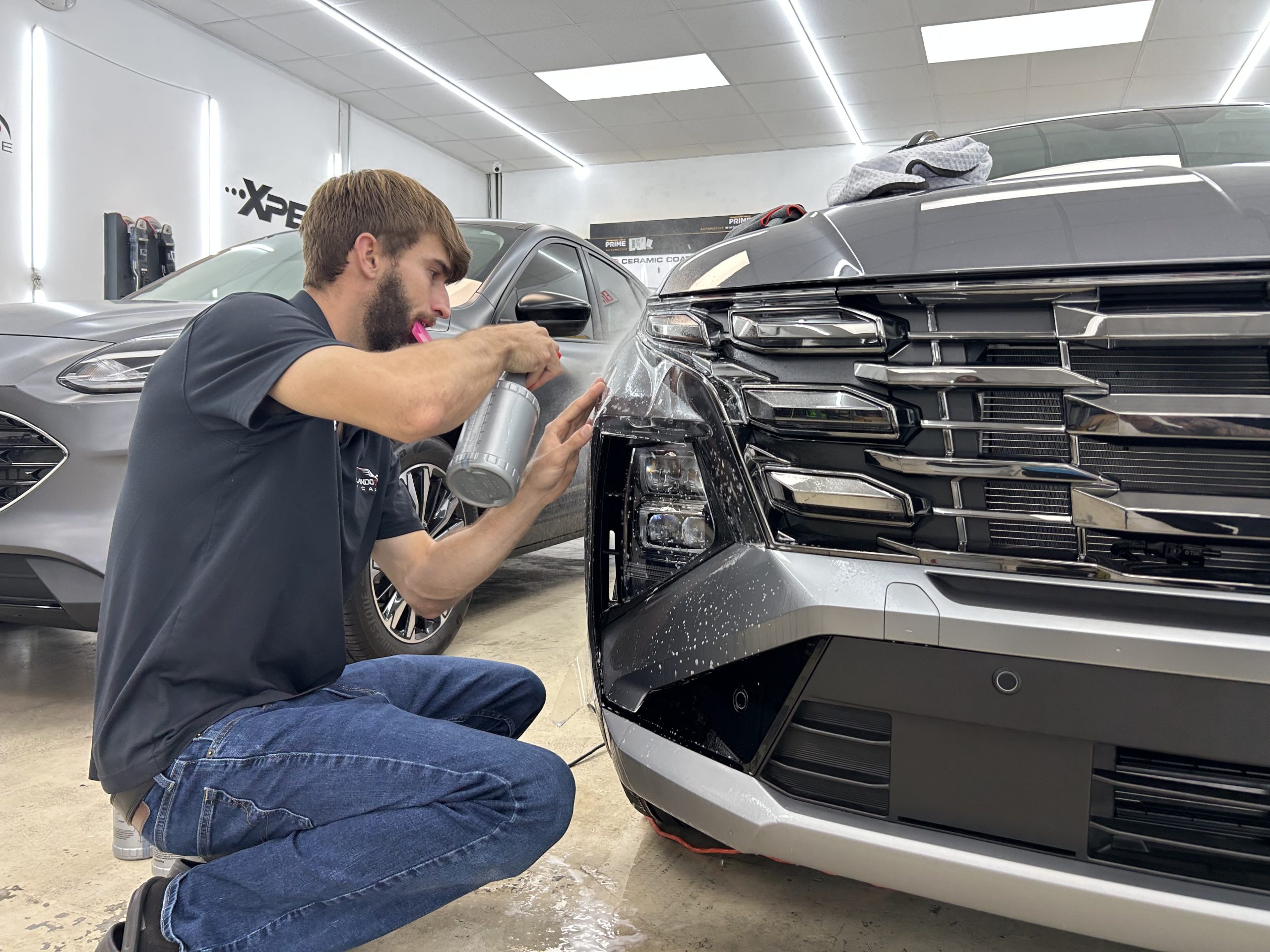
Ceramic coatings gained popularity for a reason. A well-installed coating creates a dense hydrophobic surface that resists salt crusting and makes rinsing more effective. On boats, the difference is pronounced. Uncoated gelcoat grabs onto grime and oxidizes; a coated hull sheds water and stays cleaner between hauls. A boat ceramic coating on topsides and non-skid helps after every trip, because less residue anchors to the surface in the first place. Cars benefit in the same ways, though the abuse differs. Rain mixes with ocean spray and dries on hoods and windshields within hours, leaving rings that etch. A coating slows that process and gives you a wider window to remove spots before they become permanent.
There is a limit to what any product can do. Even the best coating cannot block neglect. In a marine environment, a coated surface still needs a salt-neutralizing rinse as soon as practical and gentle washes on a steady schedule. Coatings are multipliers of good habit, not a replacement for it.
Paint correction near the coast: when and how far to go
Paint correction is the controlled leveling of clear coat to remove defects and restore gloss. Near the ocean, defect patterns skew toward two types: wash marring from salt-laden contact and etched water spots. Correction can absolutely fix both, but it must be approached with prudence. Clear coat is finite. The more you remove now, the less margin you have later.
I prefer to measure paint thickness before any machine work, especially on older cars that have seen aggressive hand polishing. On newer vehicles, a one-step correction with a fine polishing compound often delivers 70 to 85 percent improvement and leaves room for future maintenance. Heavier cutting makes sense when etching is severe or a previous owner inflicted deep swirls, but that should be the exception. After correction, immediate protection is non-negotiable in coastal zones. Leaving freshly polished paint unsealed, even for a weekend, can invite new spotting.
Owners who ask for perfection on daily drivers in Carpinteria or Goleta typically benefit more from a sensible level of correction and a strong protection system than from chasing every last scratch. It is better to preserve microns of clear coat for the long haul than to win a one-time gloss contest.
Boat surfaces are a different animal
Automotive paint and marine gelcoat look similar when they shine, but they behave differently under stress. Gelcoat is porous by comparison and thick. It oxidizes in layers, so a heavy cut can bring back a chalky hull quickly, but it also opens the pores and demands sealing. Boats live in constant UV and salt mist. Even on a trailer, a boat moored near the coast can catch the same airborne brine that lands on cars, only more of it.
Marine detailing routines account for hardware, teak, and non-skid. Stainless needs periodic acid-safe decontamination to prevent tea staining. Rubber rub rails hide salt in seams that drip streaks across hulls. Non-skid collects embedded grime that simple brushing cannot lift. The whole package benefits from a coating system designed for boats, with grip-safe options for deck areas and higher-slickness options for hull sides. Done right, a boat detailing service pairs cleaning, oxidation removal, and a ceramic or polymer sealant that cuts washing time by half for months.
Skippers who fish offshore find another challenge: biological residue. Scales, blood, and bait oils bond with salt and sun to make stubborn marks. The fix is prompt freshwater rinsing, pH-appropriate cleaners, and routine top-ups of protection. Wait a week, and you are compounding the deck when a simple rinse would have sufficed.
Where inland habits fall short on the coast
Friends who move from inland areas often try to keep their routines the same and are surprised when their vehicles dull quickly. Two differences are decisive. First, the wash frequency. Inland drivers can sometimes get away with a wash every three to four weeks. On the coast, two weeks is long for a daily driver parked outdoors. Second, the drying discipline. In a dry climate, letting rinse water air-dry leaves minimal trace. Near the ocean, that water carries minerals that etch, and even soft water can leave marks if the sun and breeze hit at the wrong moment.
Another inland habit that causes trouble is using household towels for drying and wiping. A towel that touched dryer sheets or has embedded lint becomes a sandpaper substitute. Add salt film, and you have a swirl factory. Proper microfiber, laundered without fabric softener and dedicated to specific tasks, is not snobbery here. It is the difference between preserving a new clear coat and taking microns off with every wash.
A day on the coast, a week in the paint
I once inspected a black SUV in Hope Ranch that lived outdoors, pointed at the sea. It was four months old. From five feet away, the paint looked fine. Under proper lighting, it showed spiderwebbing across every panel, with heavier trails where the owner wiped away morning dew. The culprit was a clean-looking car covered in invisible salt overnight, then hand-wiped with a bath towel. We corrected the worst of it with a light polish, installed a ceramic coating, and taught the owner a simple ritual: quick pre-rinse in the morning before the wipe, use a blower, and only touch paint with proper towels. Six months later, under the same light, the paint still looked excellent. The routine took ten minutes every few days.
On the marina side, a 24-foot center console in Summerland ran charters, often moored for days. The hull sides were dull halfway through season. We compounded the oxidation, applied a boat ceramic coating on the topsides and hardware, and set up a rinse-and-dry plan after each trip. The skipper kept a five-gallon bucket, a hose splitter with a filter, and a squeegee on board. By haul-out, the hull still beaded water and wiped clean with a mild soap.
Hugo's Auto Detailing: how we adapt for salt, wind, and sun
Detailing at the coast requires different timing, tools, and expectations. At Hugo's Auto Detailing, that starts with the inspection. We look for salt creep on trim edges, etched rings on glass, and early signs of oxidation on black plastics that get hammered by UV. For Car detailing Carpinteria and Car detailing Montecito, we plan wash appointments around marine layer patterns. Early morning fog can deposit salt more aggressively; mid-morning sun can bake it in. If a car cannot stay shaded during service, we adjust product dwell times and rinse more frequently to prevent spotting.

Our Exterior detailing routine always adds a desalinating pre-rinse, iron decontamination when needed, and a pH-safe wash that plays well with existing protection. If the vehicle is new to us and unprotected, we discuss realistic protection options without pushing a one-size-fits-all product. Some owners park in garages and drive inland daily, so a polymer sealant with quarterly refreshes makes sense. Others live right on the bluff, and a true ceramic coating pays for itself in reduced washing and slower degradation.
Hugo's Auto Detailing on boats: marine detailing with coatings that hold up
Marine detailing is its own craft. Our approach on boats near Goleta and Summerland starts with an honest look at the gelcoat. If it is already chalking, we correct oxidation with the least aggressive method that achieves full color, then seal it before the pores take on more contamination. On deck, we tailor chemistry to non-skid grip, because slick decks are never acceptable. A boat ceramic coating on hull sides helps washdowns and reduces staining, while we use a lower-slickness protective system on walk surfaces.

Stainless gets decontaminated with products that dissolve tea staining without damaging gelcoat. We inspect fasteners where salt water and vibration conspire to leave streaks. The aim is not just shine. It is control. Boat detailing service means the next wash goes faster and the surface resists build-up. When a client runs a tight schedule between trips, those saved minutes at the dock matter.
The inland neighbor effect: Car detailing Goleta and Hope Ranch realities
The microclimates between Goleta, Hope Ranch, Carpinteria, and Montecito are subtle but important. Goleta often sees afternoon winds that push inland, carrying salt farther than people realize. Hope Ranch gets exposure from open water and full afternoon sun angles that punish the driver’s side of vehicles parked in west-facing spots. Car detailing Goleta often reveals fine grit from construction and agriculture in addition to salt, which changes wash technique: more pre-rinse time, more filtration at the hose, and blow-drying to avoid dragging grit.
Car detailing Hope Ranch tends to include more paint correction on darker vehicles because the homes and trees cast reflections that make defects visible. Owners there often prefer a refined finish with manageable maintenance. We set water-softening attachments when working on-site to minimize spotting, then top up protection so that a quick home wash remains safe for the finish.
Spotting on glass and how to prevent permanent etch
Glass seems invincible, yet coastal water spots can etch permanently. The chemistry is straightforward: mineral-rich droplets dry, concentrate, and bond with the glass at a microscopically rough level. Sit in sun for days, and the mark is not just a deposit, it is a stain within the surface. A glass polish can remove mild etching. Severe cases require abrasive restoration and sometimes replacement.
Prevention comes down to three habits. Rinse salt before wiping, dry completely, and use a hydrophobic glass sealant. Wipers drag salt across windshields, so a quick rinse before you hit the stalk matters. If you ever park with fresh salt spray on the car, a shade or cover buys time, but the real fix is a rinse as soon as you can reach a hose.
Interior detailing is not immune in coastal zones
While the headline risk is outside, interiors take a hit too. Salt air sneaks in through open windows, blending with humidity to leave a tacky film on dashboards and screens. Sand works its way into seat stitching and tracks. The fix is not endless deep cleaning, but a steady cadence of light interior detailing and smart product choices. pH-neutral cleaners for screens and matte finishes for dash plastics preserve clarity and reduce glare. Fabric and leather benefit from protectants that resist salt-laden sweat and sunscreen. If you spend days at the beach, keep a quick vacuum in the garage, and you will save hours later.
A practical wash cadence for coastal owners
Routines beat heroics. If your car sleeps outdoors within a mile of the water, adopt a two-week wash schedule in cooler months and weekly during dry, windy periods. If you live closer to three to five miles inland, you can often stretch the interval by a week, provided you check for salt crust on the windshield and front bumper. Boats need a freshwater rinse after every outing, a soap wash weekly during active seasons, and quarterly inspections for oxidation on high-sun surfaces.
Here is a simple checklist that works well for most coastal vehicles:
- Pre-rinse thoroughly to dissolve salt before any contact. Use a dedicated wash mitt for lower panels, another for upper sections. Dry with a blower first, then finish with a clean, plush towel. Top up protection with a coating-safe spray every second or third wash. Inspect glass and trim for new spotting or fade, address within days.
The checklist is not fancy, but it respects the enemy: salt and sun. Miss one or two of these steps consistently, and you will be chasing correction sooner than you’d like.
The economics of prevention vs. correction
Detailing budgets near the coast shift toward maintenance. A ceramic coating and disciplined washes cost money, no question. But a full two-step correction every year, or a gelcoat restoration every other season, costs more in the long run and consumes finite material. The hard truth is that prevention is not just cheaper, it preserves the integrity of paint and gelcoat. Every time you sand or compound, you burn through life the manufacturer gave you. You cannot get it back.
Owners sometimes ask if they can wait until the end of summer to deal with etching and dullness. That approach works inland where contamination is light. On the coast, you are letting the problem bake in. Small, regular interventions retain the upper hand.
The role of local knowledge and why it matters
Service lists look similar across the industry, but results hinge on context. Working in Car detailing Summerland is not the same as in a high-altitude inland valley. The difference shows up in water quality, prevailing winds, and sun angles. At Hugo's Auto Detailing, the team builds routes around those realities. If a house in Montecito sits on a bluff with afternoon wind, we schedule washes earlier, bring deionized water, and set up shade where possible. If a client’s driveway in Carpinteria is under trees that shed sap, we bring a different decontamination plan. Those adjustments are small, and they add up to finishes that hold.
We have also learned to teach what customers can do between visits. How to rinse without flooding garden beds. Which towels for which tasks. When to wipe bird droppings and how to avoid halo etches. People appreciate that guidance because it turns a vulnerable environment into a manageable routine.
When to ask for professional help
The line between DIY maintenance and professional intervention usually shows up as etching you cannot remove with a gentle product, oxidation that returns days after a wash, or beading and sheeting that collapse quickly after you apply protection. If a windshield https://writeablog.net/audianfkbr/exterior-detailing-for-black-cars-avoiding-swirls-and-holograms looks hazy in the sun even when clean, if plastics grey out despite dressings, or if boat rails keep tea staining within a week, you are likely fighting below the surface and need a deeper fix.
A qualified car detailing service or marine detailing specialist will measure, test spots, and propose the least invasive method that achieves durable improvement. That might be a fine polish and a coating, or a oxidation cut on gelcoat followed by a marine-grade sealant. The right answer depends on the story the surface tells, not the latest product video.
Final thoughts from the shoreline
Coastal climates are beautiful and unforgiving. Exterior detailing is more than shine in this environment. It is preservation, safety, and sanity. Salt will not wait for your schedule, and sun does not negotiate. The good news is that with the right habits, tools, and cadence, your car or boat can look and perform far better, for far longer, than most people think possible. Invest in the boring steps, protect the surface, adapt to the microclimate you live in, and you will spend less time correcting and more time enjoying the coast you came for.